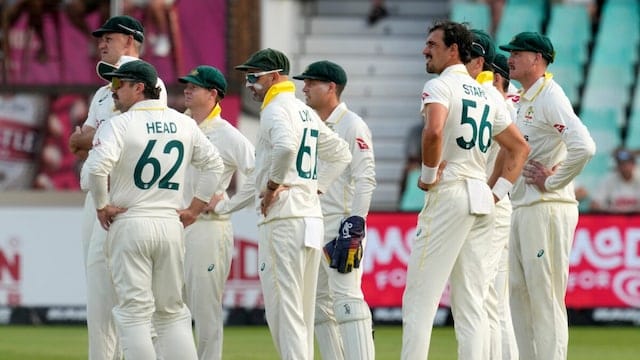
Recurring Interrruptions: How Bad Light is Disrupting the First Test Between South Africa and Australia
Premature Stumps on Day 3: Fading natural light forced umpires to call early stumps after just 5.4 overs of Australia's second innings, cutting short a crucial passage of play on "Moving Day".
Impact on Match Tempo: With Australia sitting comfortably at 33/0 (leading by 139 runs), the lost time eats into the total overs available, potentially narrowing the window Australia needs to bowl South Africa out on a wearing pitch.
Strategic Squeeze: Kingsmead matches frequently face atmospheric and lighting challenges late in the day. The recurring threat of bad light places immense pressure on batting teams to score quickly while forcing captains to carefully calculate risk versus time when setting or chasing targets.
The Equation Ahead: As Day 4 approaches, the combination of weather constraints and diminishing playing hours means both sides are racing against the clock to force a definitive result out of a tightly balanced contest.
"For me, outside of a day-night Test, it's got to be a red ball," Prince said. "Obviously, some nations have played a lot more pink-ball cricket than others. So, therefore, to get both captains to agree is always going to be a challenge. Some teams will feel that they simply don't have enough experience of it. I think it will be very difficult to get both captains to agree. But for me, Test match [cricket] is a red ball."
Shaun Pollock, who sits on the ICC Cricket Committee which introduced the pink-ball option, believes teams need to be open the change.
"I'm not saying for one moment that we should have used the pink ball and played a day-night game. I just believe we should have used the pink ball for the day game," Pollock said on SuperSport. "Don't be scared to use the pink ball."